ROOTS OF SOWONSA
A place shaped by prayer
Stories of rocks and springs, and the people who built a temple among them.
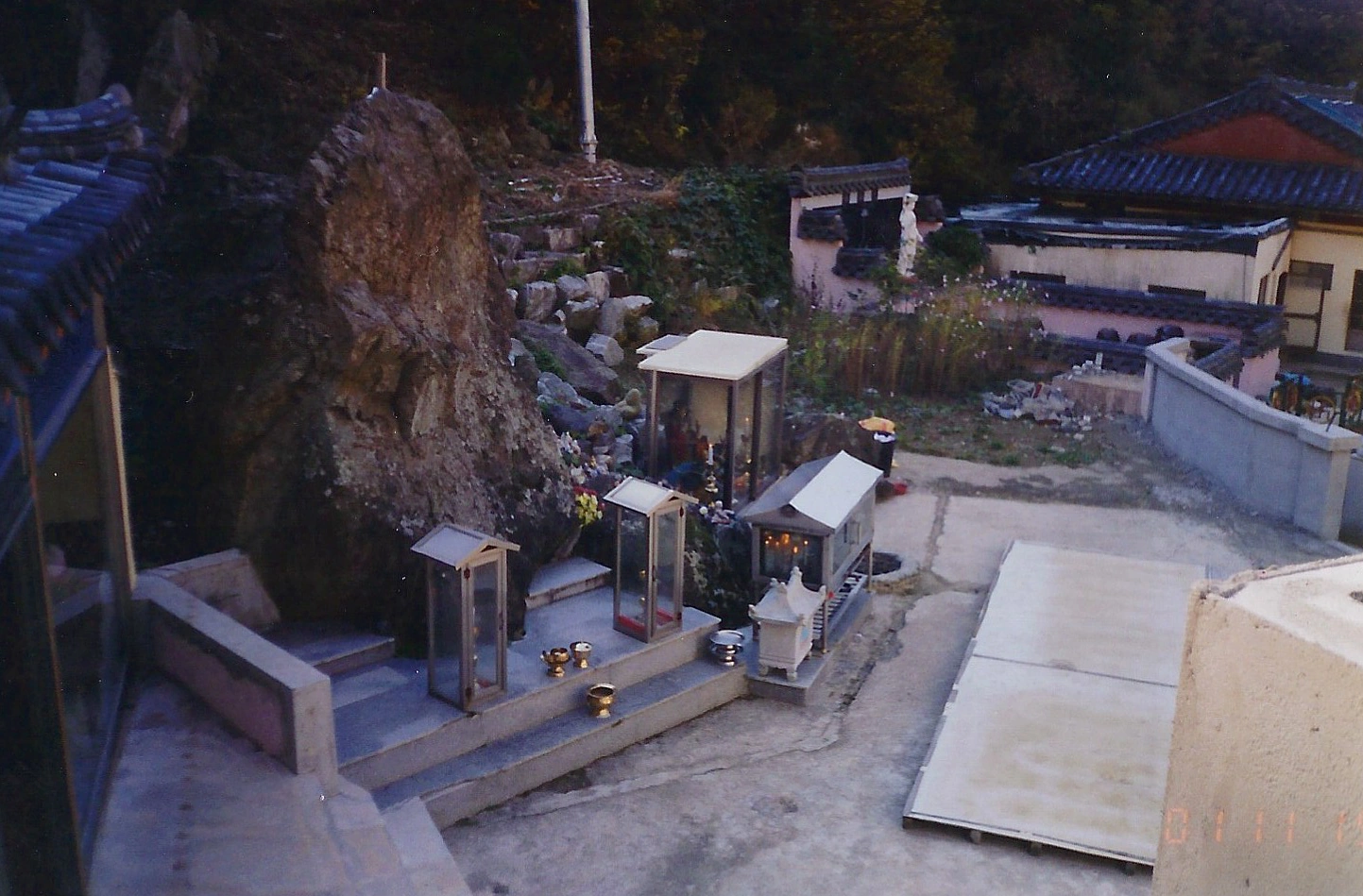
01 · AN OLD SACRED SITE
Prayers beside rocks and springs
At the foot of Hambaksan, where Sowonsa stands, stories have long gathered around natural caves, rocks and springs. Traditions tell of Master Wonhyo praying in the cave at Sansingak and of the rocks by Yongwangdang representing a mother bear and her cub waiting for a loved one.
Another legend speaks of two dragons living in a pool beneath the rock. These accounts express the local community’s relationship with the place and are presented separately from the documented history of the temple.
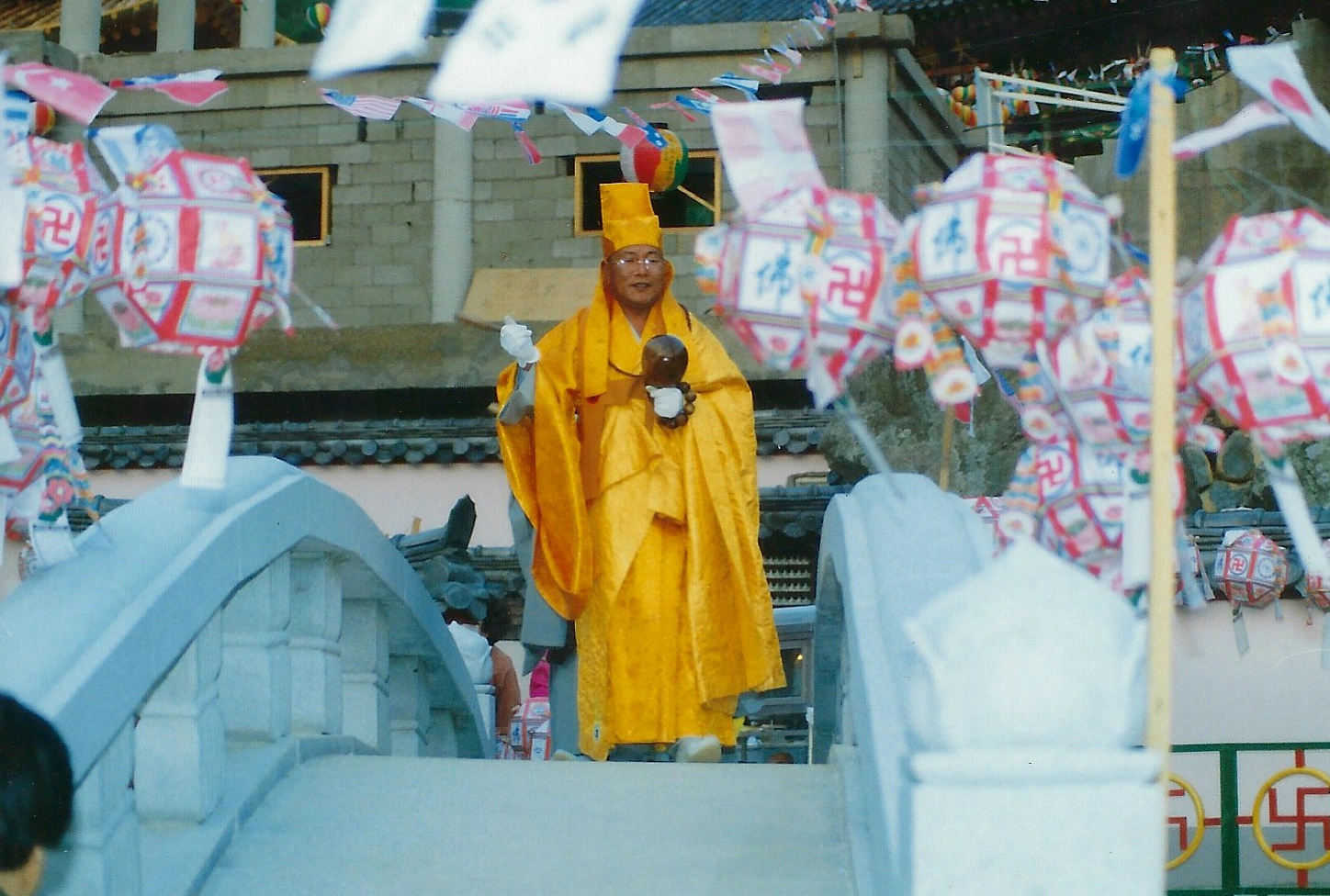
02 · THE MASTER’S ASPIRATION
A childhood connection, a lifelong aspiration
Master Daegwang first came to this prayer site with his mother as a child. After becoming a monk, he began work here with the aspiration of establishing a Buddhist temple.
The Sowonsa visitor guide records the construction of a small temple in 1979 as the first step. His childhood connection became the foundation of a lifelong commitment.
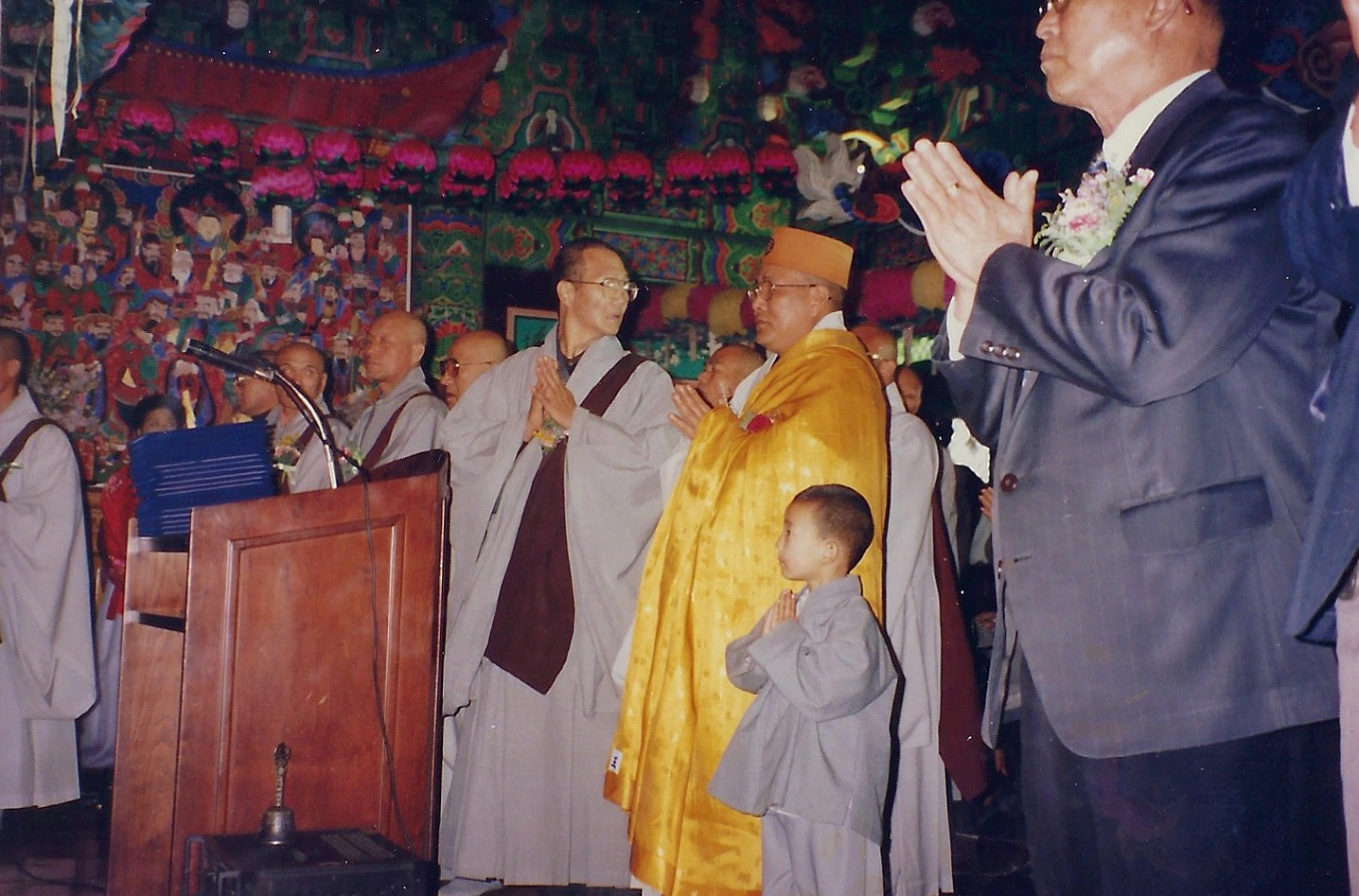
03 · BUILDING TOGETHER
Renewing the temple through hardship
The early building work faced demolition, typhoons and fire. The master and the community returned to the site, rebuilt and continued their prayers.
During rebuilding in 1992, the temple was named Sowonsa. The community’s devotion joined the master’s resolve, and the temple gradually took shape again.
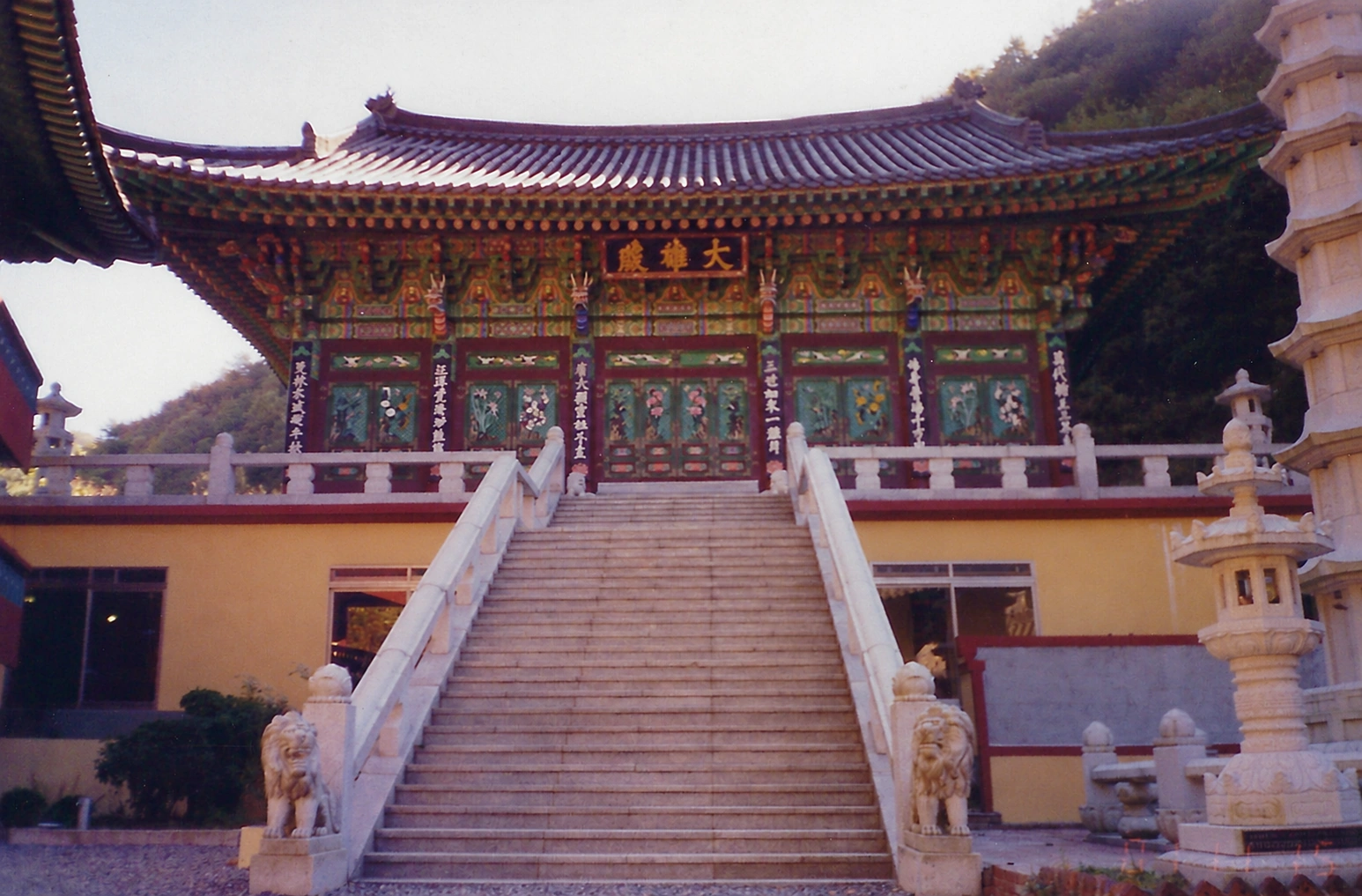
04 · GROWING OVER THE YEARS
Devotion shaped the temple we see today
Following the completion of Daeungjeon in 1994, further halls and pagodas were built. Each space holds the aspirations and years of effort of those who contributed.
Construction of the Reclining Buddha Hall began in 2016 and concluded in April 2023. These successive projects form the Sowonsa of today.
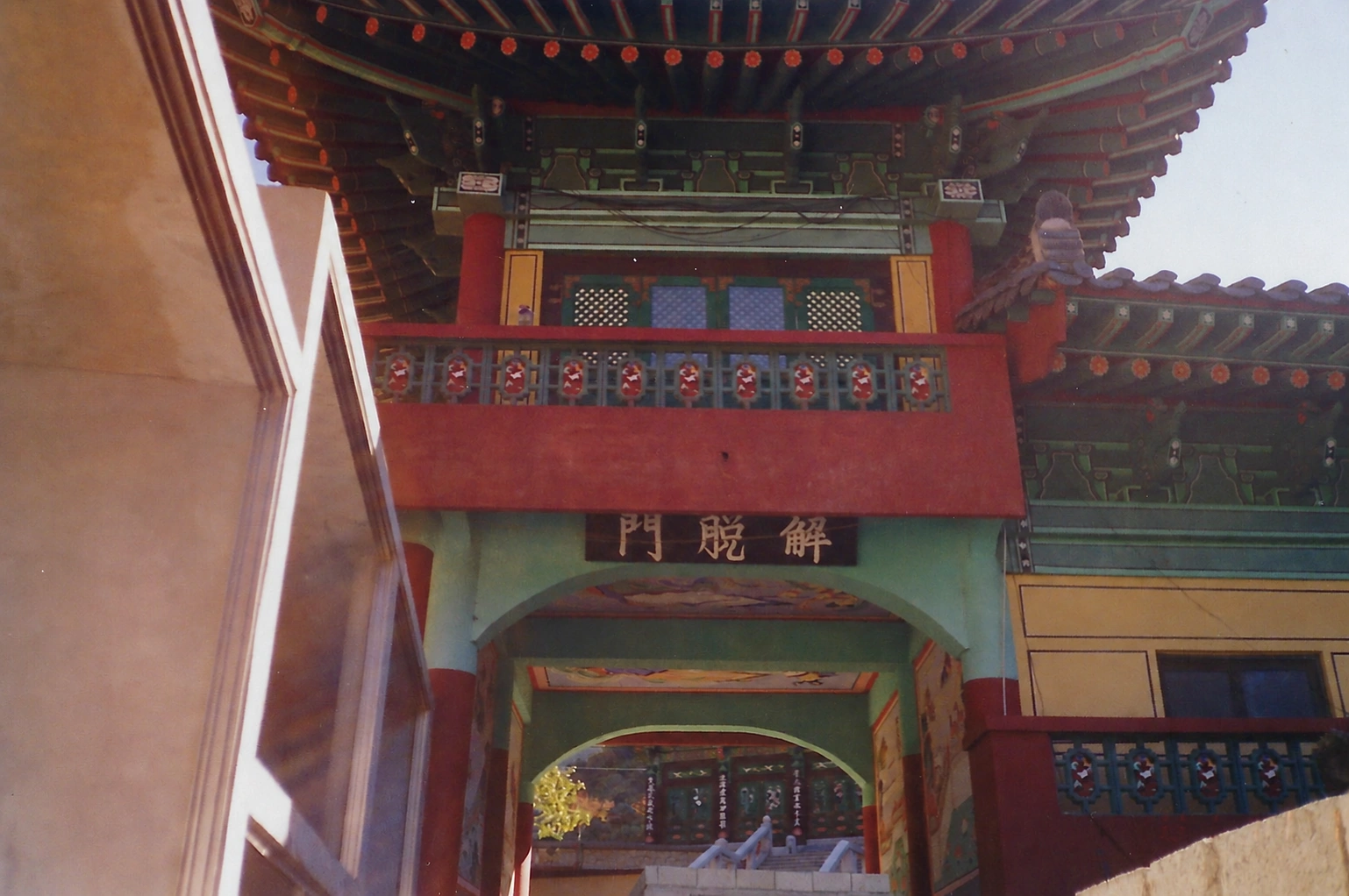
05 · THE NAME SOWONSA
Sowonsa · 傃愿寺
The character So (傃) carries meanings of turning toward and keeping faith; Won (愿) suggests respect, sincerity and humility. Sa (寺) means a Buddhist temple.
The visitor guide explains the name through these meanings. It invites us to reflect on a sincere and respectful heart turned toward the Buddha.
The first temple
A small temple marked the beginning.
The name Sowonsa
The temple was named during rebuilding.
Daeungjeon completed
The community built the main Buddha hall.
The reclining Buddha
The project begun in 2016 concluded in April.
Based on the founding records and the master’s recollections in the Sowonsa visitor guide. Accounts predating the temple are presented as local legends.